
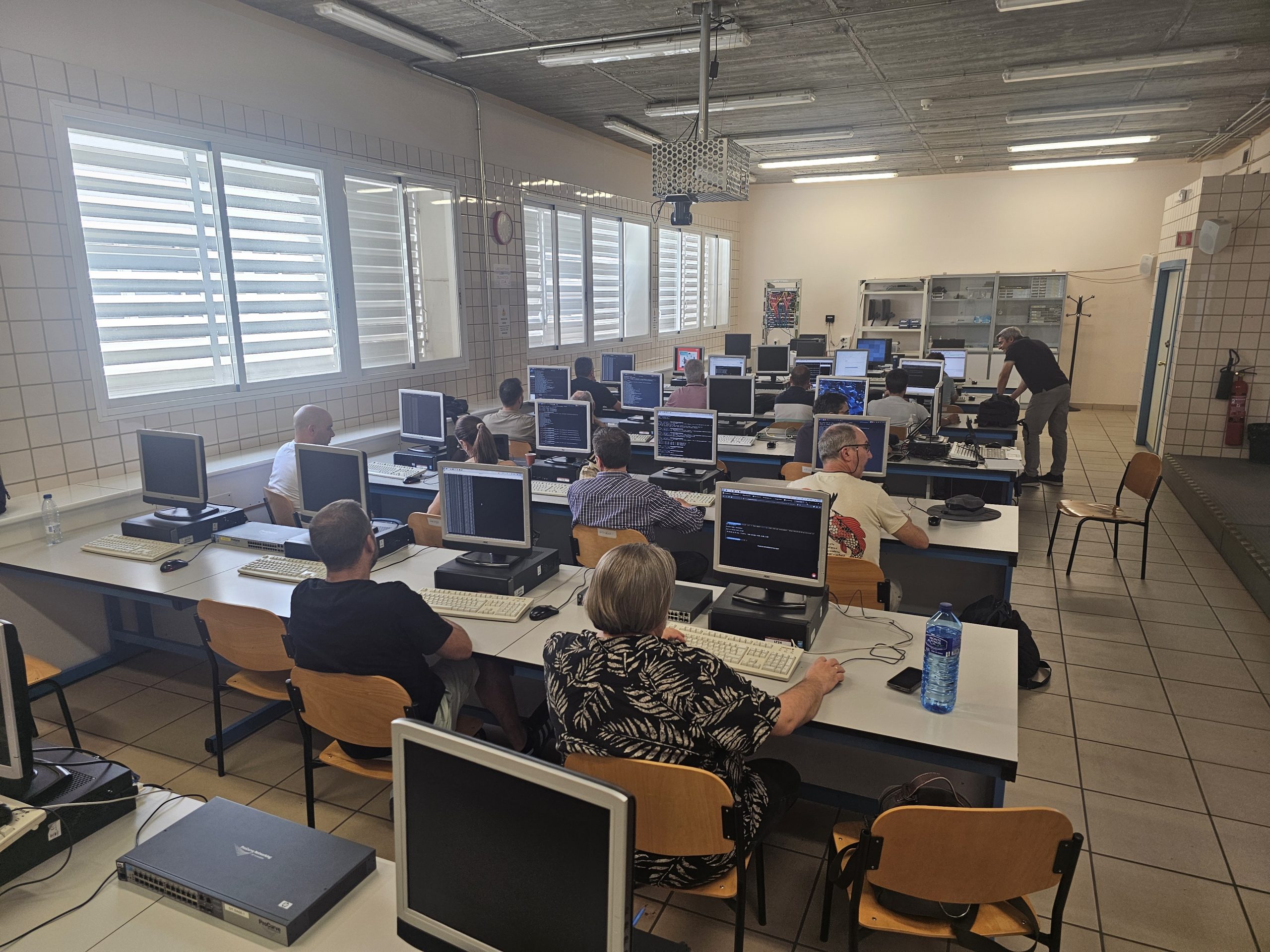
The Ethical Hacking and Pentesting course aimed at the University of Seville’s Technical, Administrative and Service Staff — specifically the Computing and Communications Services department — is now under way. The training combines theoretical and practical sessions to equip the team in vulnerability identification, pentesting methodologies and processes, and technical documentation of findings.
The course is delivered by lecturers from the Department of Telematic Engineering and the University of Seville’s Master’s in Cybersecurity, with the support of the BeOneSec Cybersecurity and Cyber Intelligence Chair.
Why the University of Seville is training its own technical staff in cybersecurity
The course aims to shift the starting point: to begin understanding how an attacker thinks, what methodologies are applied in a real audit, and how a pentesting process is documented — giving the team the tools to anticipate problems before they arise, not only to deal with them once they have already landed.
This is not a standalone initiative. The University of Seville has an Information Security Training Plan, approved by the University’s Information Security Commission, of which this course forms part.
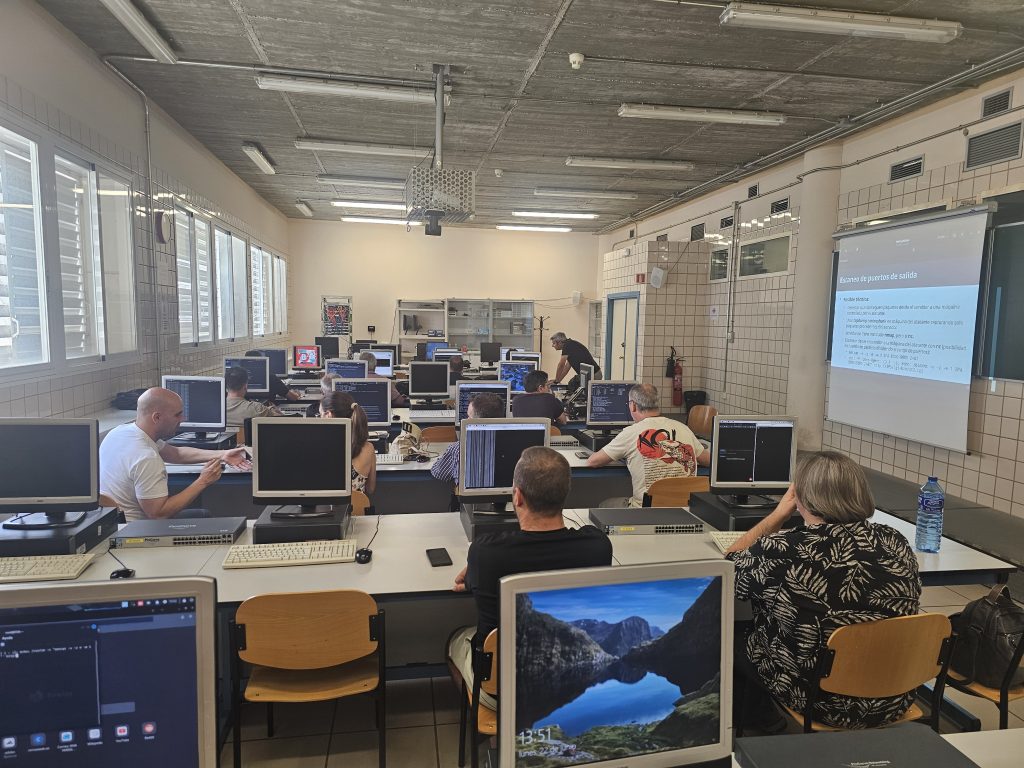
The Chair’s role in this training
For BeOneSec Chair Director Rafael Estepa, initiatives of this kind are central to what the Chair can offer the University: “When we created the Chair, one of our priorities was for knowledge to reach beyond the classroom and research projects. The fact that the University’s own technical staff are receiving this training shows that cybersecurity is no longer the exclusive concern of specialists — it is a capability that every institution needs to build internally. Committing to that is committing to the future of the University’s cybersecurity as a whole.”

