
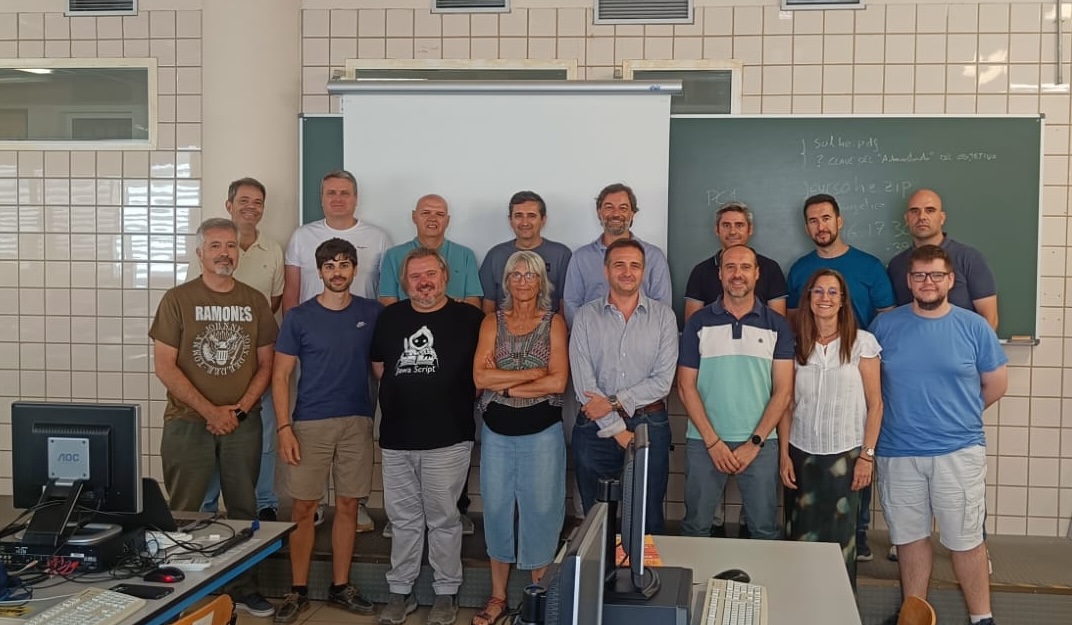
Last Friday, the University of Seville’s Technical, Administrative and Service Staff completed the ethical hacking and pentesting course led by the BeOneSec Cybersecurity and Cyber Intelligence Chair.
Over twenty-five hours, the team worked through cybersecurity fundamentals, audit methodologies, the phases of a pentesting process, and technical management of findings. Theory and practice ran alongside each other throughout, so that what was learnt could be applied straight away.
The course was delivered by Dr Vicente Mayor and Dr Francisco J. Fernández Jiménez, both lecturers in the Department of Telematic Engineering at the University of Seville and specialists in cybersecurity.
When the people who manage the systems understand how they are attacked
The Technical, Administrative and Service Staff know their infrastructure better than anyone: which servers are active, who has access to what, and what happens when something fails.
What this course adds is the perspective of someone trying to get into that same environment without permission. With that lens, these professionals can spot inconsistencies earlier, configure systems with greater judgement, and when something does go wrong, tell the difference between a technical error and something that warrants closer attention.
Cybersecurity begins long before an incident arrives. Training the people who make daily decisions about the infrastructure is the most direct way to improve it from within.
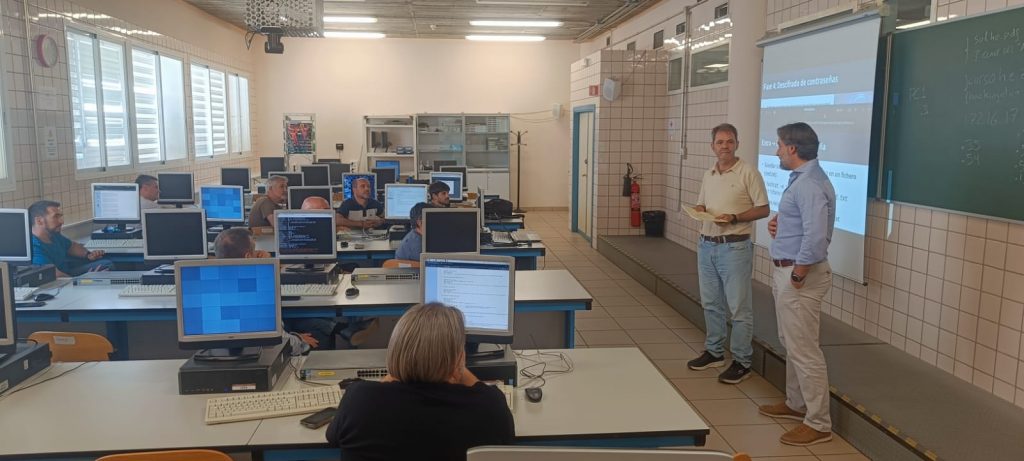
The BeOneSec Cybersecurity and Cyber Intelligence Chair broadens access to cybersecurity knowledge
For two years the Chair has been working to advance research, outreach and the promotion of cybersecurity. Courses like this one are a step towards making that knowledge genuinely accessible.
At the diploma ceremony, Fernando Ramos, co-founder and CEO of BeOneSec, said: “This course proves that cybersecurity can and should reach every team in an institution. When the staff managing the infrastructure understand how attackers think, security stops depending on a single specialist team and becomes a shared responsibility.”
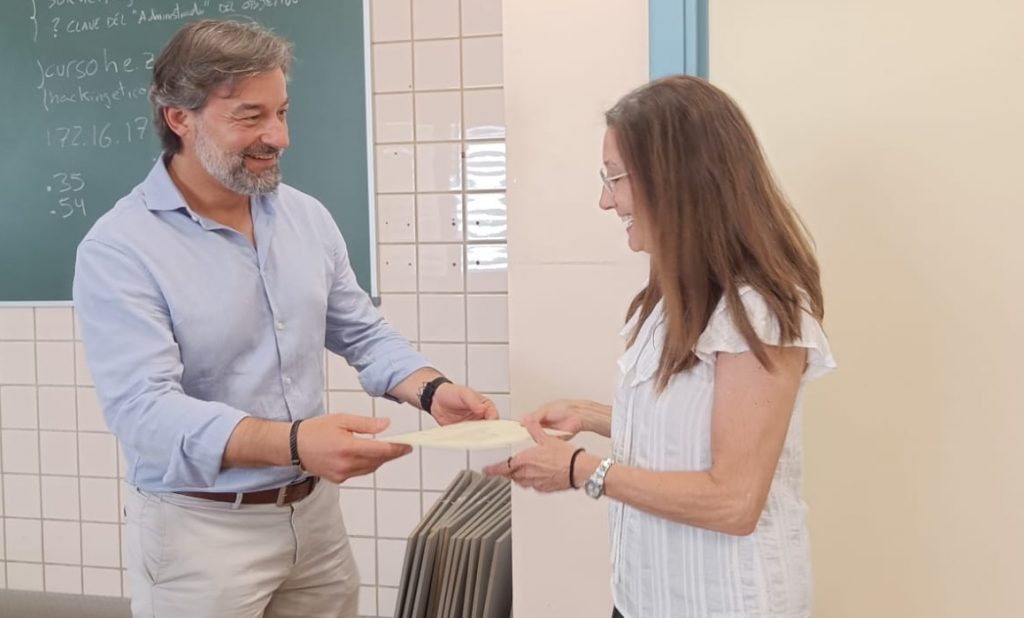
Rafael Estepa Alonso, Chair Director, added: “The Chair exists to keep knowledge moving. The fact that the University’s own technical staff have completed this training is another step in protecting this institution.”

